
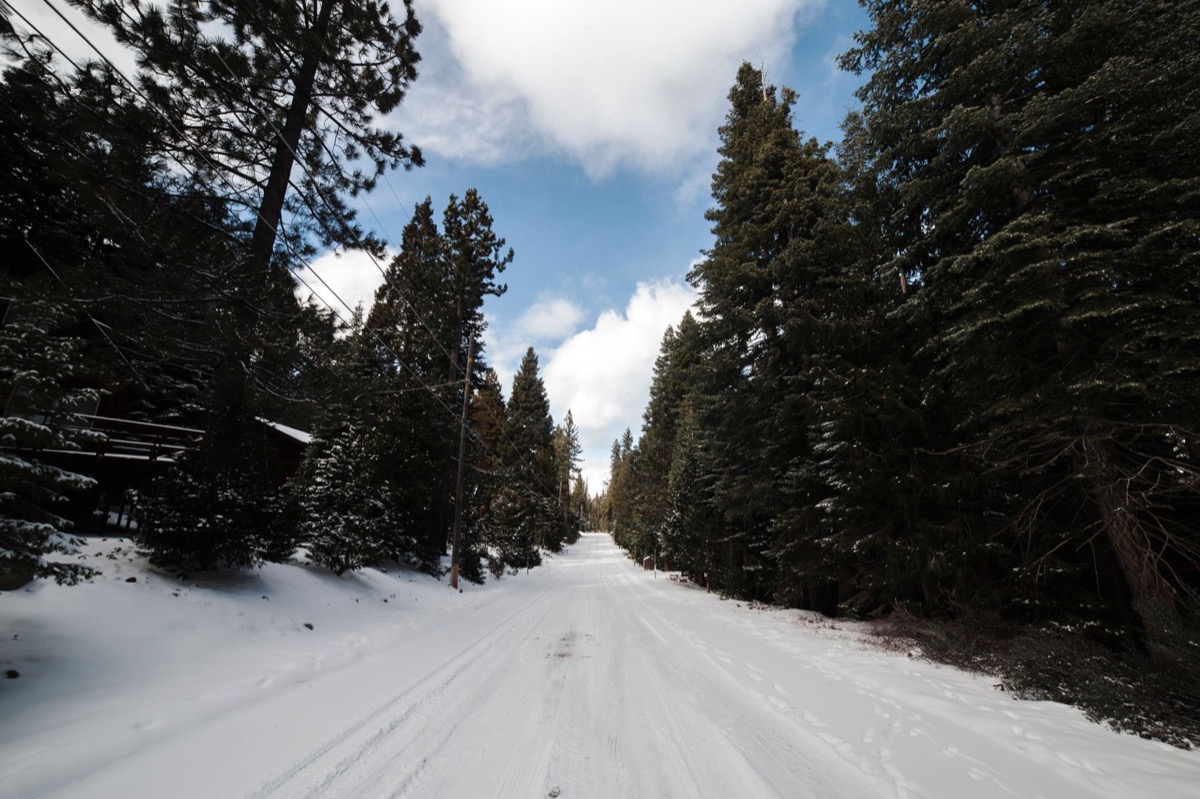
People research Pinetop in July, when the listing photos show green forest and a highway boulevard full of Valley license plates escaping the heat. Almost nobody researches Pinetop, AZ in winter before they move, and that's a mistake. Winter here is a completely different town. Not a worse one, necessarily, but a real one, and if you're deciding on year-round mountain living, this is the season that actually tests whether it's for you.
Here's what each month looks like, based on what actually happens rather than what a cabin listing wants you to picture.
November: the town exhales
Summer traffic is long gone by November, and the tourist money that keeps some seasonal businesses running starts to thin out with it. Days are still mild, often in the 50s, but nights regularly drop below freezing. First snow can show up this month if October didn't already bring it, sometimes a dusting that melts by noon, sometimes enough to make you dig out the ice scraper you forgot you owned. Locals spend November doing the practical stuff: checking the furnace, finding the snow shovel, seeing if the truck still has decent tires.
December: winter arrives for real
December highs settle into the mid 40s with overnight lows around 20 degrees, and that's a typical night, not a cold snap. Snow starts accumulating in earnest. The forest turns into the postcard version of itself, which is genuinely beautiful if you're prepared for it and genuinely stressful if you're driving an unfamiliar road for the first time. AZ-260 gets plowed regularly, but a fresh storm can still make the drive to Show Low slower than you'd expect. This is the month heating bills stop being theoretical. If you're coming from a warm-climate rental, budget for it.
January: the snowiest month, and one of the coldest
January averages about 16 inches of snow on its own, more than any other month, and along with December it's the coldest stretch of the year. Cold snaps can drop overnight lows into the single digits. This is also when Sunrise Park Resort, about 50 minutes away, is running at its best, so it's not all inconvenience. But it's the month that separates people who romanticized the idea of a snowy winter from people who actually enjoy shoveling a driveway at 15 degrees before their morning coffee. Pipes freeze in poorly winterized buildings during stretches like this, so if you're renting, ask directly how the property handles it.
February: still cold, occasionally brutal
February holds onto winter stubbornly. Snow totals are usually a bit lower than January but the cold sticks around, and this is often the month when the fewest restaurants and shops are running full hours, since the tourist dollars that support a longer season haven't returned yet. If you want to see the honest, unfiltered version of this town before committing to anything, a February weekend tells you more than a July one ever will.
March: the thaw starts, unevenly
March is a genuine mixed bag. Some years bring an early thaw with slushy roads and muddy trailheads. Other years bring a late, heavy storm that dumps more snow than December did. Locals stop trusting the calendar and start watching the actual forecast day to day. Snow tires stay on longer than feels necessary most years.
What heating actually costs you
This is the line item that surprises transplants from lower elevations the most. A Phoenix apartment might run air conditioning eight months a year and heat rarely. Up here, it flips. Individual heating becomes a real monthly cost from November through March, sometimes into April in a slow year. It's not an unreasonable cost, but it's a new one, and it's worth budgeting for honestly instead of getting surprised by the first bill.
Driving: what changes and what to actually do about it
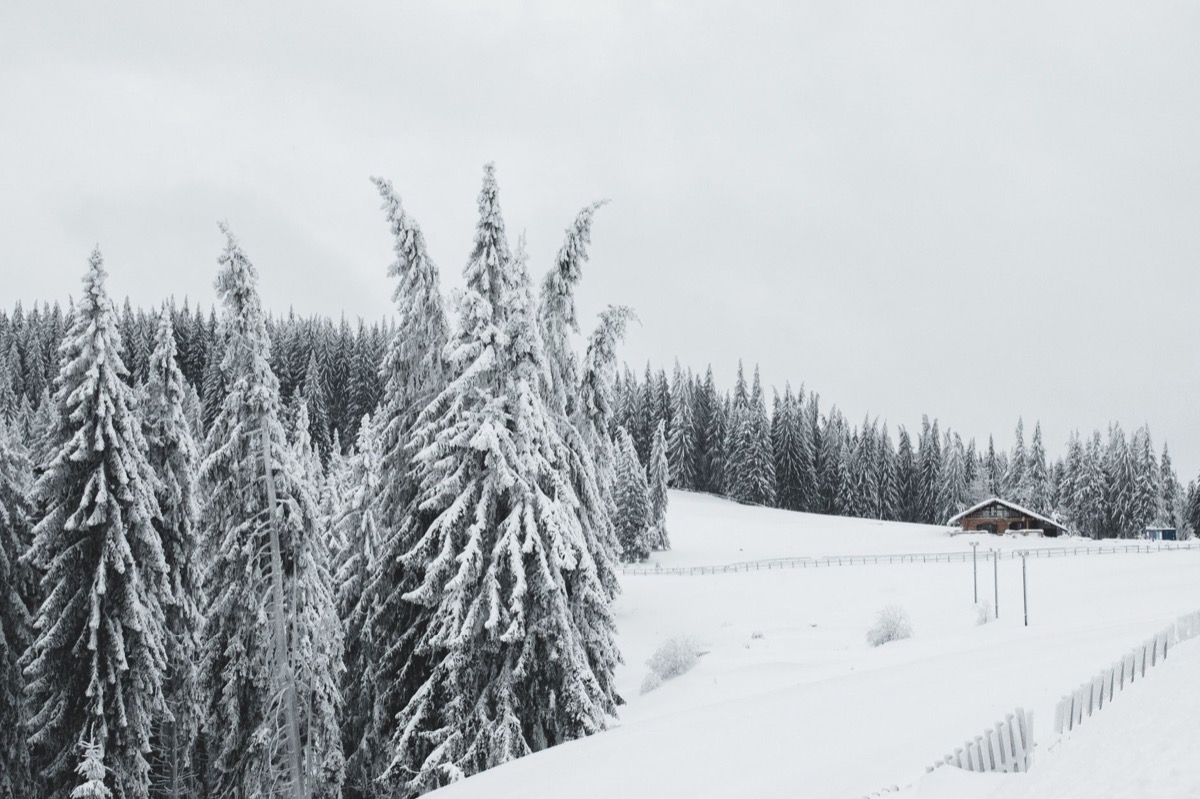
AZ-260 and the surrounding roads get plowed, but plowing after a heavy storm takes time, and a fresh few inches can turn a normal 20 minute errand into something slower and more careful. Snow tires or at least a solid all-weather set make a real difference. So does leaving extra room, driving slower than feels necessary, and accepting that some mornings you just wait an hour for the roads to clear before heading out. It's a learnable adjustment, not a dealbreaker, but it is an adjustment, and anyone who tells you otherwise hasn't actually driven here in January.
Snow-season parking matters too if you live in a multi-unit property. Plowing crews need clear lots to do their job, so most properties, including ours, hand out parking guidance each fall so residents know where to park once storms start rolling through.
What's actually open
Some restaurants and shops that lean on summer tourist traffic trim their hours or close for a stretch between January and March. It's not most businesses, and the basics stay reliable. Safeway in town, Eddie's Country Store, the handful of year-round restaurants locals actually eat at, and everything in Show Low, 20 minutes up the road, including the Walmart, Home Depot, and Summit Healthcare Regional Medical Center. But if you're picturing every summer spot you loved on a July visit being open in February, check first. Some will be, some won't.
Why winter people love it anyway
Ask around and you'll hear the same things. Waking up to fresh snow on ponderosa pines outside the window. A quieter town without the Memorial Day through Labor Day crowd clogging White Mountain Boulevard. A real ski season 50 minutes away instead of a plane ticket to Colorado. The Mogollon Rim Overlook Trail turning into a peaceful snow walk instead of a summer tourist stop. For a lot of residents, winter isn't the tradeoff for living here. It's the actual reason.
If you're weighing whether the full year works for you, not just the season everyone already knows about, our broader guide on Living in Pinetop, Arizona covers what the whole calendar looks like, and Moving from Phoenix to Pinetop walks through what changes if you're coming from the Valley specifically.
Testing a winter before you commit
The smartest thing you can do if you're on the fence is live through one winter before buying anything. A furnished rental lets you do that without the setup cost of an unfurnished place or the risk of buying a cabin sight unseen based on a summer listing photo. Roundhouse Residences leases furnished studios, one bedrooms, and two bedrooms in Pinetop with 12 and 24 month lease terms, and residents get a contracted snow removal service through the winter so the parking lot stays clear without it being your problem to solve. Current floor plans are on our apartments for rent in Pinetop page.
Pinetop, AZ in winter is cold, snowy, and genuinely quieter than the summer version everyone already knows about. Whether that sounds like a downside or the whole point says a lot about whether you should move here.