
Every summer, a chunk of Phoenix starts fantasizing about moving from Phoenix to Pinetop. It's a reasonable fantasy. But most of what gets said about it online is either sales copy for a cabin or vague talk about "cooler weather" that doesn't tell you anything you can plan around. Here's the specific version. The drive, the elevation, the real numbers on temperature, and the tradeoffs nobody mentions until you're already living them.
The drive: 3.5 hours, not a quick trip
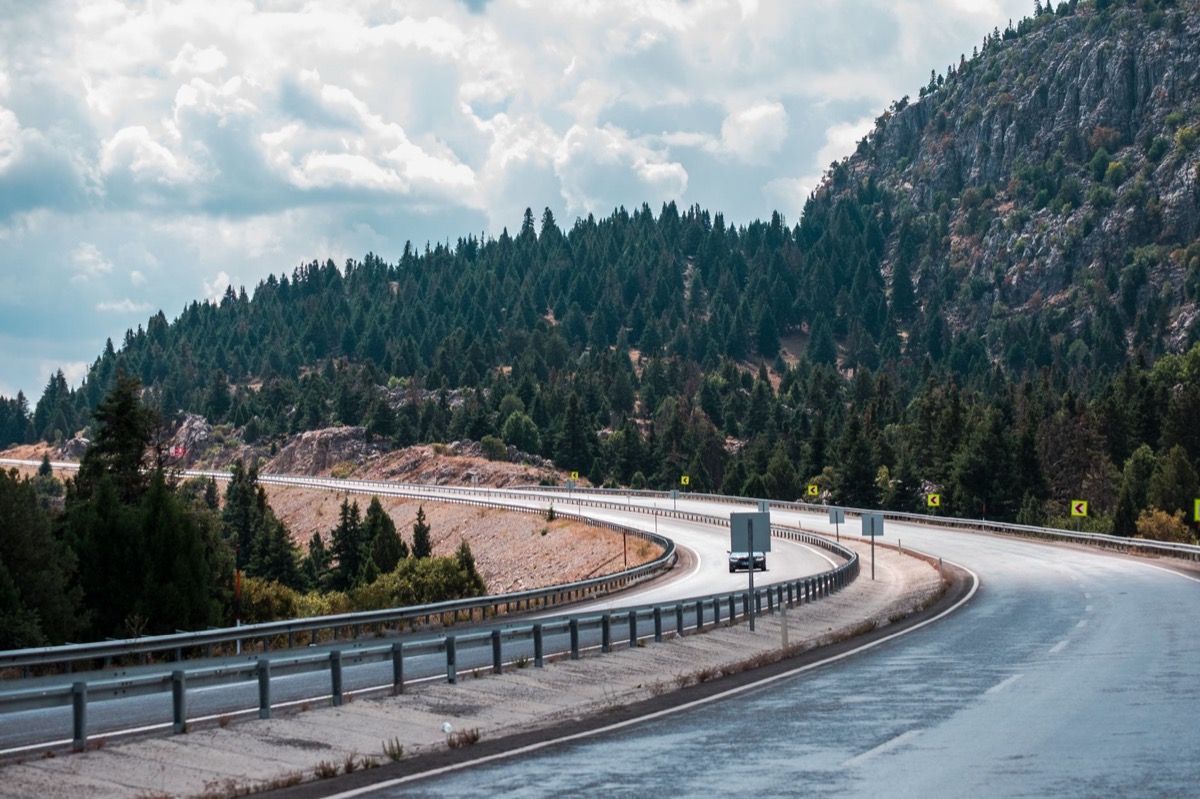
Pinetop sits about 189 miles from Phoenix, which works out to roughly 3.5 hours on a normal day with normal traffic. The standard route runs AZ-87 north to Payson, then east on AZ-260 over the Mogollon Rim through Heber and Show Low. It's a genuinely good drive. Once you clear the Valley and start climbing the Rim, the scenery changes fast and the temperature drops with it.
That distance changes how you relate to Phoenix once you've moved. It's close enough to drive down for a wedding, a big Costco run, or a client meeting and be home the same night if you leave early. It's far enough that you won't do it on a whim. People who make this move successfully tend to treat Phoenix as a once-a-month trip, not a place they can still pop into for a quick errand.
There's a flight option too. Contour Airlines started daily service between Show Low Regional Airport and Phoenix Sky Harbor in late 2025. Show Low is about 15 minutes from Pinetop. It's a small regional operation with limited routes, but if you fly for work or have family visiting, it's worth knowing it exists.
Elevation: 7,200 feet is a real number, not a marketing line
Phoenix sits around 1,100 feet. Pinetop sits at 7,200. That's a jump most people underestimate until they feel it. Shortness of breath on stairs, a light headache the first day or two, feeling more tired than expected after a short hike. It's mild for most people and it passes within 24 to 48 hours, but it's not nothing, and nobody selling you a cabin mentions it.
The practical fix is boring but effective. Drink more water than feels necessary, especially the first few days. Ease off alcohol the first night or two. Eat normal meals instead of skipping them while you unpack. If you're planning to hike right away, go slower than you would at sea level and don't be surprised if a trail that would be easy in Phoenix leaves you more winded here.
The actual temperature gap
This is the number that gets people to seriously consider the move, so it's worth being precise about it. Phoenix in June and July regularly pushes past 110 degrees. Pinetop's warmest month is typically June, with average highs around 80 to 82 degrees and overnight lows in the upper 40s. That's a 25 to 30 degree gap on a normal summer day, and it holds through most of the season.
You'll sleep with the windows open in July. Afternoon monsoon storms roll through most days in late summer, which locals treat as scenery rather than an inconvenience. If your image of "why would anyone move to Pinetop" is purely about escaping heat, the summer numbers back it up completely.
Winter flips the comparison the other way, and this is the part people conveniently forget when they're melting in a Phoenix July. Pinetop gets 30 to 40 inches of snow in a typical year, with December highs in the mid 40s and lows dropping to around 20, colder on some nights. If you've spent your whole life in the Valley and have never actually lived through a snowy winter, that's a real adjustment, not a footnote. We go through it season by season in Pinetop, AZ in Winter: An Honest Month-by-Month Look.
What you gain
The forest starts more or less at the edge of town. The Apache-Sitgreaves National Forest surrounds Pinetop-Lakeside, and the White Mountain Trail System threads more than 200 miles of hiking and biking routes through it. Dozens of lakes sit within a 45 minute drive for fishing, and Sunrise Park Resort, Arizona's largest ski area, is about 40 minutes away for winter. Summers are mild enough that air conditioning becomes optional instead of mandatory. Nights are quiet. The pace is slower in a way that either suits you immediately or takes some adjusting to.
For a full sense of what actually fills a week here, our longer guide, Living in Pinetop, Arizona: The Honest Guide, covers the town's rhythms in more depth than a single post on relocation can.
What you give up
Pinetop-Lakeside has around 4,100 full-time residents. Combined with Show Low, 15 minutes away, you get a functional small metro of roughly 20,000 people. That covers your daily needs: a Safeway in town, a Walmart and Home Depot in Show Low, a solid handful of local restaurants, and Summit Healthcare Regional Medical Center, a 101 bed hospital serving a wide rural area.
What it doesn't cover is anything beyond that. No Trader Joe's, no Costco, no same-day Amazon delivery you can count on. Specialist medical care usually means a trip back down to the Valley. Cell coverage gets spotty once you're off the main roads. If your job depends on a specific in-person industry that only exists in a big city, be honest with yourself about the local job market before you commit, because remote work and healthcare carry most of the professional employment up here.

How to test the move before you commit
The single best piece of advice from people who've actually made this move: rent first, and rent through at least one winter before you buy anything. A cabin looks incredible in a July listing photo and looks completely different in the third week of February with the driveway iced over and half the restaurants in town running reduced hours. The market up here also leans heavily on older cabins and seasonal properties, and buying the wrong one sight unseen from 200 miles away is an expensive way to learn that lesson.
A furnished rental solves this cleanly. You show up with clothes and a laptop, live through a full season or two, and figure out which part of town and which season actually fits your life before signing anything permanent. Some people discover they love the whole year. Others realize they're strictly a summer person, which is also useful information to have before a mortgage is involved.
That's the situation Roundhouse Residences was built around. Furnished studios, one bedrooms, and two bedrooms on Roundhouse Drive in Pinetop, with 12 and 24 month lease terms and none of the setup hassle of an unfurnished place. If you're weighing a shorter seasonal stay before committing to a full lease, the leasing office can talk through the options. Current floor plans and details are on our Pinetop apartments for rent page.
Moving from Phoenix to Pinetop is a bigger change than the mileage suggests. The drive is manageable, the elevation adjusts within a couple of days, and the temperature swing genuinely delivers on the promise. What actually determines whether people stay is whether they're honest with themselves about the small-town tradeoffs and the real winter, and most of the people who are honest about it end up staying for good.